The Shift from Ownership to Access
India's consumer mindset is undergoing a fundamental transformation. For decades, ownership represented status, security, and aspiration. A family's worth was measured by its possessions — a car in the driveway, furniture in the living room, appliances in the kitchen. But that equation is changing, and changing fast.
According to a 2025 report by RedSeer Consulting, the Indian rental market is projected to reach $15 billion by 2028, growing at a compound annual growth rate of 35%. The driving forces? Urbanization, affordability concerns, and a millennial workforce that values experiences over possessions.
What's Driving This Transformation?
Several converging trends are fueling the rental revolution in India:
1. Urban Mobility: With 600 million Indians expected to live in cities by 2030, frequent relocations make renting furniture and appliances far more practical than buying.
2. Rising Costs: The average cost of furnishing a 2BHK apartment in Bangalore has increased by 45% since 2020. Monthly rental costs for the same items? Just 3-5% of the purchase price.
3. Sustainability Awareness: 67% of Indian millennials say they prefer renting over buying for environmental reasons, according to a Nielsen survey.
4. Technology Access: Platforms like Arentzo make it possible to rent anything — from a DSLR camera for a weekend trip to construction equipment for a month-long project — with just a few taps.
The Category Breakdown
The rental economy isn't uniform across categories. Here's how different segments are performing:
Furniture & Home Appliances lead the charge, accounting for 40% of the rental market. Students and young professionals in cities like Pune, Hyderabad, and Bangalore are the primary drivers.
Electronics & Gadgets come in second at 25%. Cameras, gaming consoles, drones, and even high-end laptops are increasingly rented for short-term needs.
Vehicles represent 20% of the market. From two-wheelers for daily commutes to cars for weekend getaways, the subscription model is gaining strong traction.
Fashion & Accessories are the fastest-growing segment at 15%, driven by wedding season rentals and designer wear for special occasions.
What This Means for Businesses
For businesses, the rental economy creates opportunities that didn't exist five years ago:
- Asset Utilization: Items that sat idle 80% of the time can now generate consistent revenue through rentals. - Customer Reach: Renters who couldn't afford to buy become accessible customers. - Data Insights: Rental patterns provide invaluable data about consumer preferences and demand cycles. - Recurring Revenue: Unlike one-time sales, rentals create predictable, recurring income streams.
The businesses that will thrive are those that treat renting not as a secondary revenue stream, but as a primary business model with its own dedicated infrastructure, pricing strategy, and customer experience.
Looking Ahead
The rental economy in India is still in its early stages. With increasing digital literacy, improving logistics infrastructure, and a generational shift in values, we expect the market to quadruple by 2030.
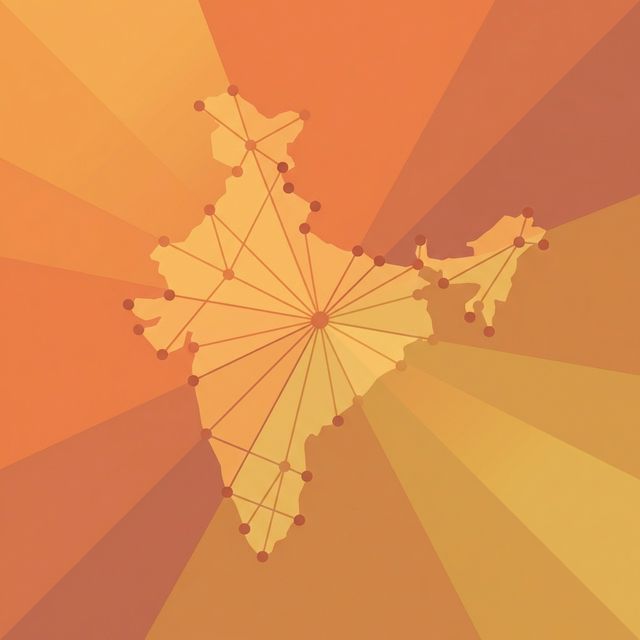
At Arentzo, we're building the infrastructure to power this transformation — connecting millions of renters with trusted providers across 75+ cities. The future isn't about owning more. It's about accessing what you need, when you need it.